
Why Do Real Human Hair Wigs Get Frizzy? And How To Fix Them
 May 25, 2023
Views: 21000
May 25, 2023
Views: 21000
What does it mean if the wig, made of real human hair, is "frizzy"?
When someone says that the human hair wig is frizzy, what does that really mean? The hair does not behave the same way as it did when the wig was first obtained. The hair does not lie flat. It is rough to the touch. It can look puffy and messy. Even after styling, the wig can look like a mess. Typically, this occurs because the hair is dry, has a little damage, or has the hair has moisture in the air.
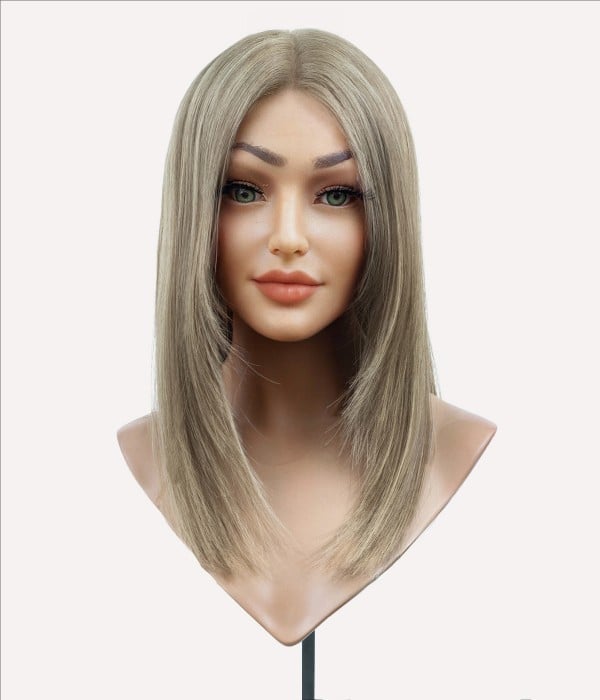
ORIGIN™ Isabella| Remy Human Hair Lace Front Wig | 16"
Why does a real human hair wig become frizzy in the humidity?
This is where a lot of people see that something is not right for the first time. Human hair has air. That is a normal occurrence. When the humidity is high, it pulls moisture into the hair. The strands swell a little. That swelling lifts the cuticle. Once the cuticle lifts, the hair stops looking smooth.
Wigs react faster than natural hair. There is no scalp oil. No natural layer of protection. So a wig that looks fine indoors can change very quickly outside.
Humidity reference
| Humidity Level | What Usually Happens |
|---|---|
| Below 40% | Hair feels dry and stiff |
| 40–60% | Hair feels more balanced |
| Above 60% | Hair absorbs moisture and frizzes |

Most people start seeing frizz once humidity goes over 60%.
When humidity drops under 40%, dryness becomes the bigger issue instead.
What helps in humid weather
You may spray a bit of water, then put on some leave-in conditioner or anti-frizz, and then lightly run your fingers through it or use a wide-tooth comb. Let it air dry, and then use very low heat. It is a big no-no to try to fight the humidity with strong heat, as it will only make it worse. Is the answer to the question
Can a human hair wig get frizzy without moisture?
Yes. This happens more often than people expect. Wigs that are worn daily, including many wigs near me that blend well and feel natural, slowly lose moisture over time due to regular handling and exposure to air.
Human hair wigs slowly dry out. They get washed. They get brushed. They sit out in the air. Unlike natural hair, they don’t get oil from the scalp to replace what’s lost.
When the hair gets too dry, the cuticle lifts. The texture starts to change. It’s not always dramatic at first.
You might notice:
The hair feels rough instead of soft
Tangling happens more often
The shine doesn’t look the same
What usually helps with dryness frizz
1. Wash your wig with a moisturizing shampoo
2. Apply a hair mask
3. Cover the wig with a shower cap
4. Add gentle heat for about 15–20 minutes
5. Rinse with cool water
6. Let the wig air dry
The cool rinse matters. It helps calm the hair surface down.
Does heat styling make real human hair wigs frizzy?
Yes. Usually not right away.
Flat irons, curling irons, and blow dryers remove moisture from hair. When you apply too much heat or too often, your hair’s cuticle slowly starts breaking down. At first, the wig may still look okay. Over time, frizz becomes harder to control.
This matters even more for wigs for white women, which often use finer, lighter hair textures that show heat damage faster than thicker hair types.
Heat reference
| Heat Level | Risk to Human Hair |
|---|---|
| Below 300°F (150°C) | Lower risk |
| 300–350°F | Medium risk |
| Above 375°F | High risk |
Wigs are more sensitive than natural hair. Once damage happens, it doesn’t repair itself.
How people reduce heat-related frizz
Use a heat protectant
Keep heat settings lower than usual
Don’t go over the same section again and again
Use a light serum after styling
If heat isn’t necessary, skipping it helps the wig last longer.
Can brushing and daily handling make a human hair wig frizzy?
Yes. This surprises a lot of people.
Frizz doesn’t always come from weather or products. Sometimes it comes from friction. Pulling through tangles. Brushing too fast. Using the wrong tools. These things add up.
Common habits that cause problems:
Brushing from the roots instead of the ends
Using regular plastic brushes
Brushing very dry hair
Rubbing the wig with a towel
What helps reduce friction frizz
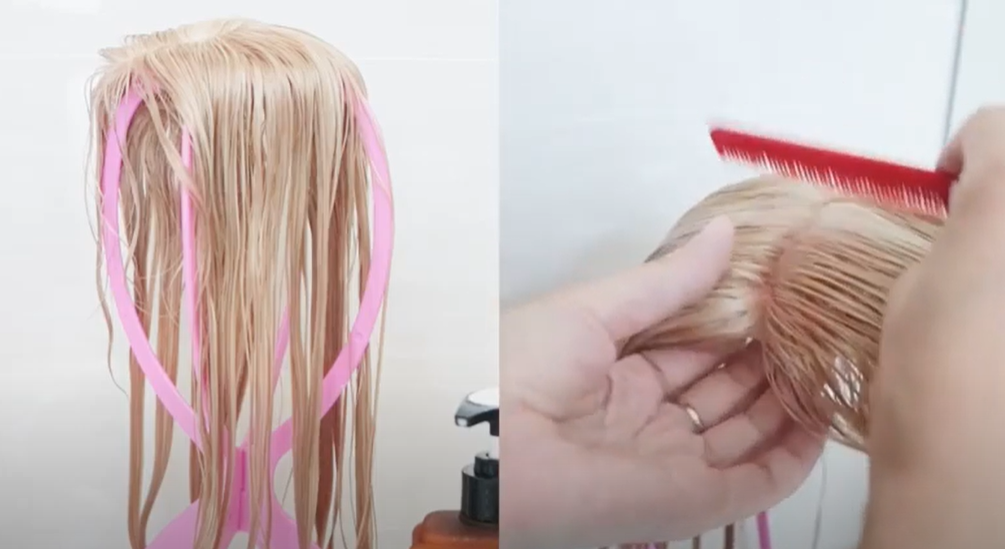
Gently detangle with fingers or wide-tooth comb
Work your way from the end of the hair upwards
Wash the wig without twisting or rubbing
Pat dry with a towel instead of rubbing
Let the wig air dry on a stand
Once it dries, an anti-frizz serum can be applied to smooth it out.
Does poor maintenance of real human hair wigs cause them to turn frizzy after some time?
Yes. Frizz often builds slowly.
Overwashing. Skipping conditioner. Using harsh products. Each one removes moisture a little at a time. The wig may still look fine at first. Then it tangles more. Eventually, frizz becomes noticeable.
Simple habits help:
Use gentle, sulfate-free shampoo
Condition every wash
Avoid washing too often
Store the wig properly
For most people, washing every 7–10 wears works well.
Can a frizzy human hair wig be fixed completely?
Sometimes yes. Sometimes no.In most cases, frizz due to dryness, humidity, and minor heat damage will respond well to deep conditioning treatments.
However, if the hair has already become ‘matted,’ ‘burned,’ or has a ‘gummy’ texture when wet, it is likely that it cannot be restored. The only solution for this problem is to change the wig.
How do I store my human hair wig to prevent frizz?
Storage matters more than it seems. Always store the wig completely dry. Store the wig on a stand if possible
Do not store the wig in plastic, specially in a humid environment. Friction and moisture also cause it to look frizzy, and this is caused by keeping it in plastic bags. How do I stop my real human hair wig from being frizzy?It just takes some habits.
A few things matter most:
Deep condition regularly
Limit heat styling
Detangle gently
Store the wig correctly
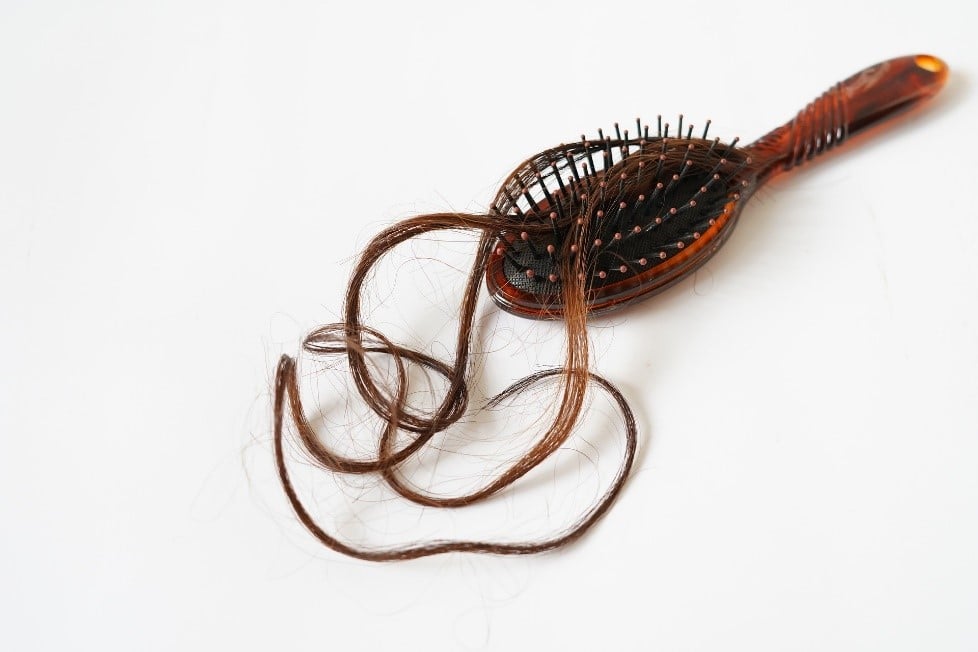
Between washes, lightly refresh the wig with moisture. It should be simple and consistent. Some final thoughts on why human hair wigs get frizzy. Human hair wigs tend to get frizzy because of humidity, dryness, heat, friction, and improper care. All these tend to lift or damage the hair surface, thus disrupting the moisture balance. With proper care, frizz is always manageable and avoidable.
Leave a reply