
How to Wear a Hair Topper With a Widow’s Peak: The Secret to a Seamless, Natural Blend
 May 27, 2026
Views: 2008
May 27, 2026
Views: 2008
If you have a widow’s peak and struggle with thinning hair or hair loss, you’ve probably wondered: Can I really wear a hair topper without it looking obvious? The answer is absolutely yes. In fact, a widow’s peak can actually help create one of the most natural-looking topper blends possible.
Many women assume that wearing a hair topper with a pronounced hairline shape is difficult. But with the right techniques, products, and placement, you can blend your topper seamlessly and create a soft, realistic look that works beautifully in different lighting and everyday situations.
What Is a Widow’s Peak?
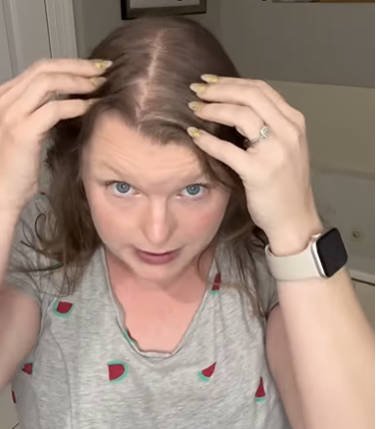
A widow’s peak is a natural hairline shape where the hairline comes down into a V or triangular point at the center of the forehead. Some widow’s peaks are very prominent, while others are softer and less noticeable.
This hairline feature is completely normal and incredibly common. However, when wearing a hair topper, many women worry that the V-shape can make blending more difficult, especially if:
- They have frontal hair thinning.
- Their widow’s peak is sparse.
- They want to wear a center part.
- Their topper doesn’t perfectly match the hairline shape.
The good news? A widow’s peak can actually make toppers look even more realistic because it provides natural bio hair at the front to blend into the topper.
Can You Wear a Hair Topper With a Widow’s Peak?
Yes, absolutely.
One of the biggest misconceptions is that a widow’s peak prevents you from wearing a topper naturally. In reality, many topper wearers with widow’s peaks find blending easier once they learn the proper placement techniques.
Why?
Because your natural hairline helps soften the transition between your biological hair and the topper base. Instead of placing the topper directly at the front edge of your hairline, you can strategically leave some natural hair exposed for a more realistic effect.
This creates:
- A softer front hairline
- Better dimension
- More believable scalp visibility
- A seamless transition from bio hair to topper
The key is learning how to work with your natural hairline rather than trying to completely hide it.

Why Center Parts Can Be Tricky With a Widow’s Peak?
Many women with widow’s peaks notice that traditional center parts don’t always look natural when wearing a topper. Instead of forcing a perfectly centered part, many experienced topper wearers recommend using a slightly off-center part.
| Challenges of a Traditional Center Part | Benefits of a Slightly Off-Center Part |
|---|---|
| The widow’s peak interrupts the symmetry of the center part | Mimics natural hair movement for a softer look |
| Sparse areas around the front hairline become more noticeable | Helps disguise the topper edge more naturally |
| The topper base may not align perfectly with the V-shaped hairline | Allows the widow’s peak to blend seamlessly into the style |
| Can create visible separation or expose the topper edge | Creates a more flattering and face-framing effect |
Step-by-Step: How to Blend a Hair Topper With a Widow’s Peak
1. Add Texture or Hair Powder if Needed
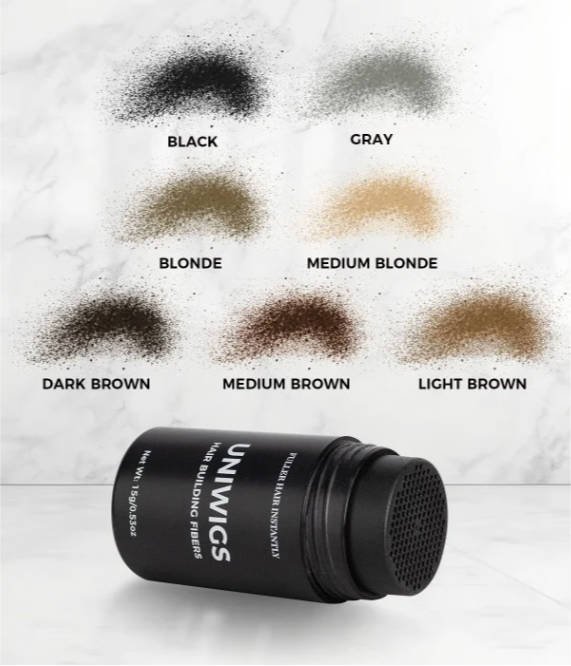
If your widow’s peak area has thinning or sparse spots, start by applying the hair fibers or matte eyeshadow matching your hair color.
This helps create the illusion of density and minimizes scalp contrast.
Just lightly dab the product into sparse areas before applying your topper.
2. Create a Slightly Off-Center Part
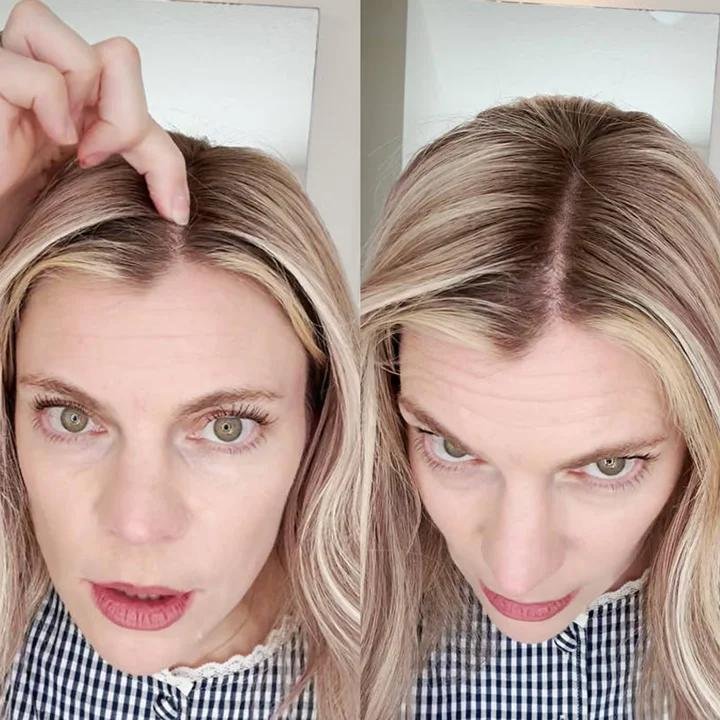
Rather than forcing a perfectly straight center part, shift your part slightly to one side.
This styling trick:
- Softens the widow’s peak
- Helps disguise topper lines
- Creates more natural volume
- Makes blending easier
A subtle asymmetrical part often looks much more believable than an ultra-perfect middle part.
3. Position the Topper Behind the Hairline
One of the most important blending techniques is placement.
Instead of placing the topper directly on the front edge of your hairline, position it about half a centimeter or up to one centimeter behind your natural hairline
Leaving a little bit of your own bio hair visible creates a gradual transition that looks incredibly realistic.
Many topper wearers agree that seeing a slight graduation from natural hairline to topper density helps avoid that “helmet” appearance.
Airy Elegance: The Natural Lace Top Choice
4. Clip the Topper Into Place
Once aligned with your part, secure the clips carefully. Make sure the topper sits flat. Avoid placing clips too close to fragile front hair.
A secure but comfortable fit helps the topper move naturally with your own hair.
5. Use a Rat-Tail Comb to Blend
This is where the magic happens.
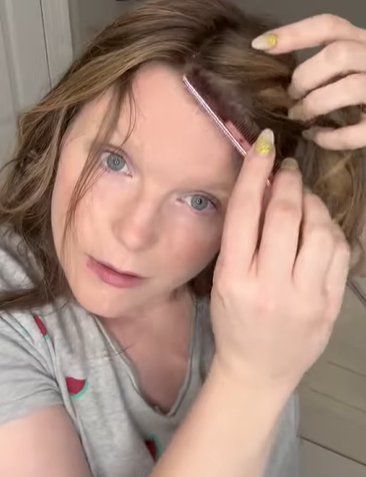
Take a rat-tail comb and gently do the following:
- Lift your natural widow’s peak hair
- Comb it forward and across the topper edge
- Create a soft crisscross blending effect
By folding your natural hair over the topper slightly, the transition becomes almost invisible.
6. Adjust the Front Swoop
After blending, lightly shape the front hair into a soft swoop or sweep.
This helps:
- Conceal the topper edge
- Maintain natural movement
- Frame the face beautifully
The swoop effect is especially flattering for women with widow’s peaks because it works with the natural V-shape rather than against it.
One of the best tips from experienced topper wearers is: Don’t try to hide your entire natural hairline.
If you have a widow’s peak, don’t let it stop you from trying a hair topper. Most importantly, wear your topper in a way that makes you feel confident and comfortable. There’s no one perfect method, and sometimes the smallest adjustments can completely transform how natural your topper looks.
Your widow’s peak isn’t a problem to hide. It’s simply part of your unique hairline, and with the right topper techniques, it can look absolutely beautiful.

Leave a reply