
Expert Q&A: For Newly-Diagnosed & Changing Alopecia
 September 25, 2026
Views: 499
September 25, 2026
Views: 499
Finding out that you have alopecia can bring a lot of questions, especially when you start noticing more hair loss. You may be thinking about treatment, your everyday hairstyle, or whether a hair topper or wig could work for you. If your hair keeps changing, what works today may not be what you need a few months from now. So, let’s talk about some of the questions that often come up.
Q&A: Understanding Your Hair Loss
Q1: “I was just diagnosed with alopecia. What should I do now?”
Start with the basics: find out what type of alopecia you have.
A dermatologist can check your scalp and ask about when your hair loss started and how it has changed. Depending on what they see, they may also recommend blood tests or other tests to look for possible causes.
You don’t have to immediately buy a new hair product or completely change your hairstyle. It can be helpful to first understand what is happening to your hair.
Q2: “Does alopecia mean that I will lose all of my hair?”
No. Alopecia doesn’t look the same for everyone.
You might first notice that your part looks wider than before. Maybe the hair around your crown is getting thinner, or you have a small bald patch. For some people, hair loss can become more noticeable over time, while others may have a different pattern.
That’s why looking at your own hair is more useful than comparing it with someone else’s alopecia.
Q&A: When Should You Try a Hair Topper or Wig?
Q3: “When should I try a hair topper?”
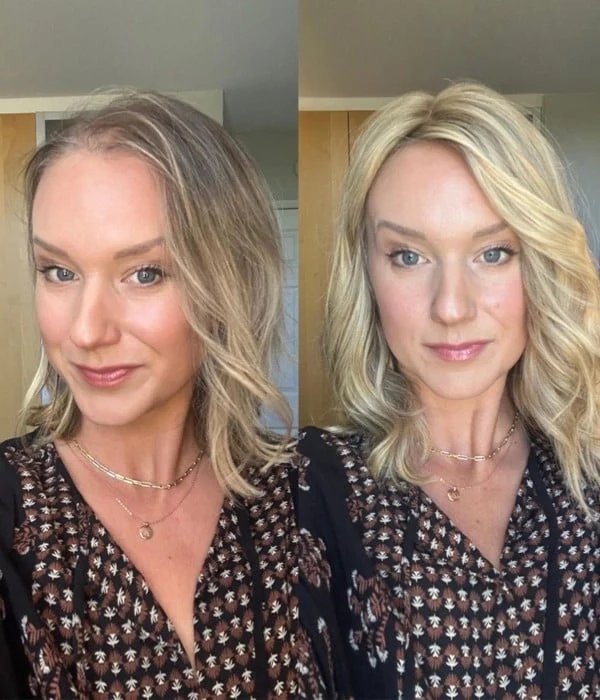
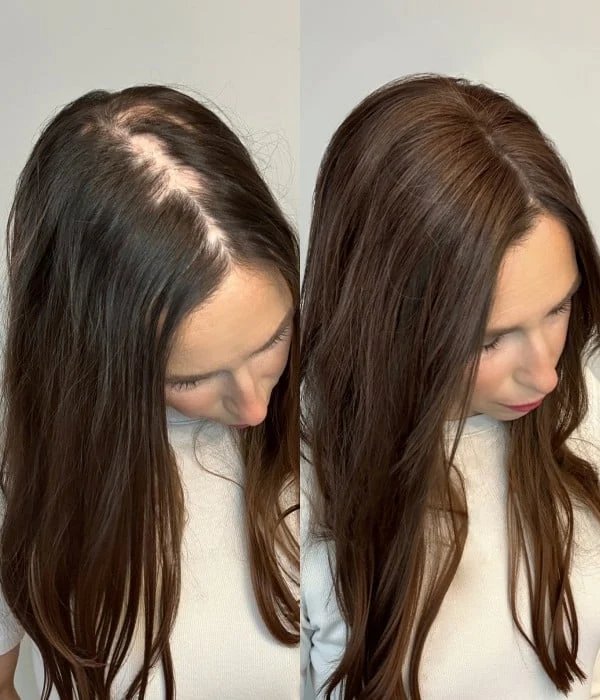
A hair topper can be a good option when you still have your own hair but need some extra coverage.
For example, if the hair around your part or crown has become thinner, a topper can cover that area without covering your entire head. You can still leave some of your natural hair out and blend it with the topper.
One simple trick can make a difference here. After putting on your topper, gently pull a little of your own hair out around the front hairline and both sides. Blend those strands with the topper hair. It helps the two blend together instead of looking like two separate layers.
Q4: “What if my hair loss gets worse?”
Then you may need to change your hair piece too.
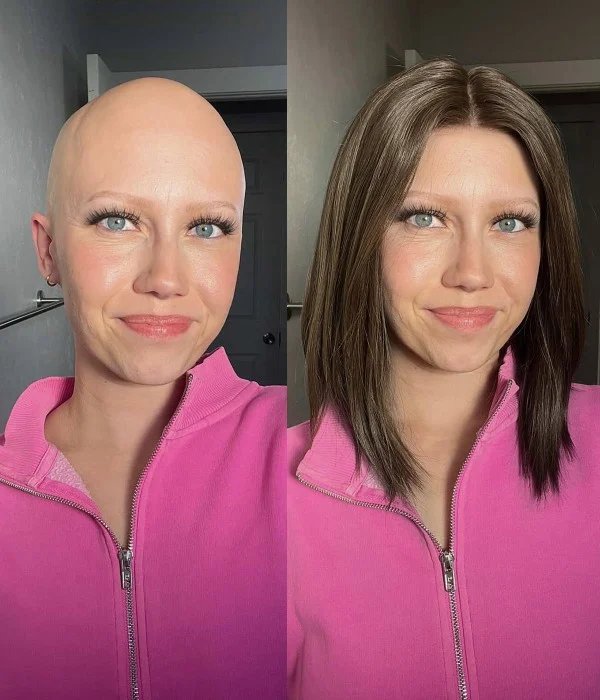
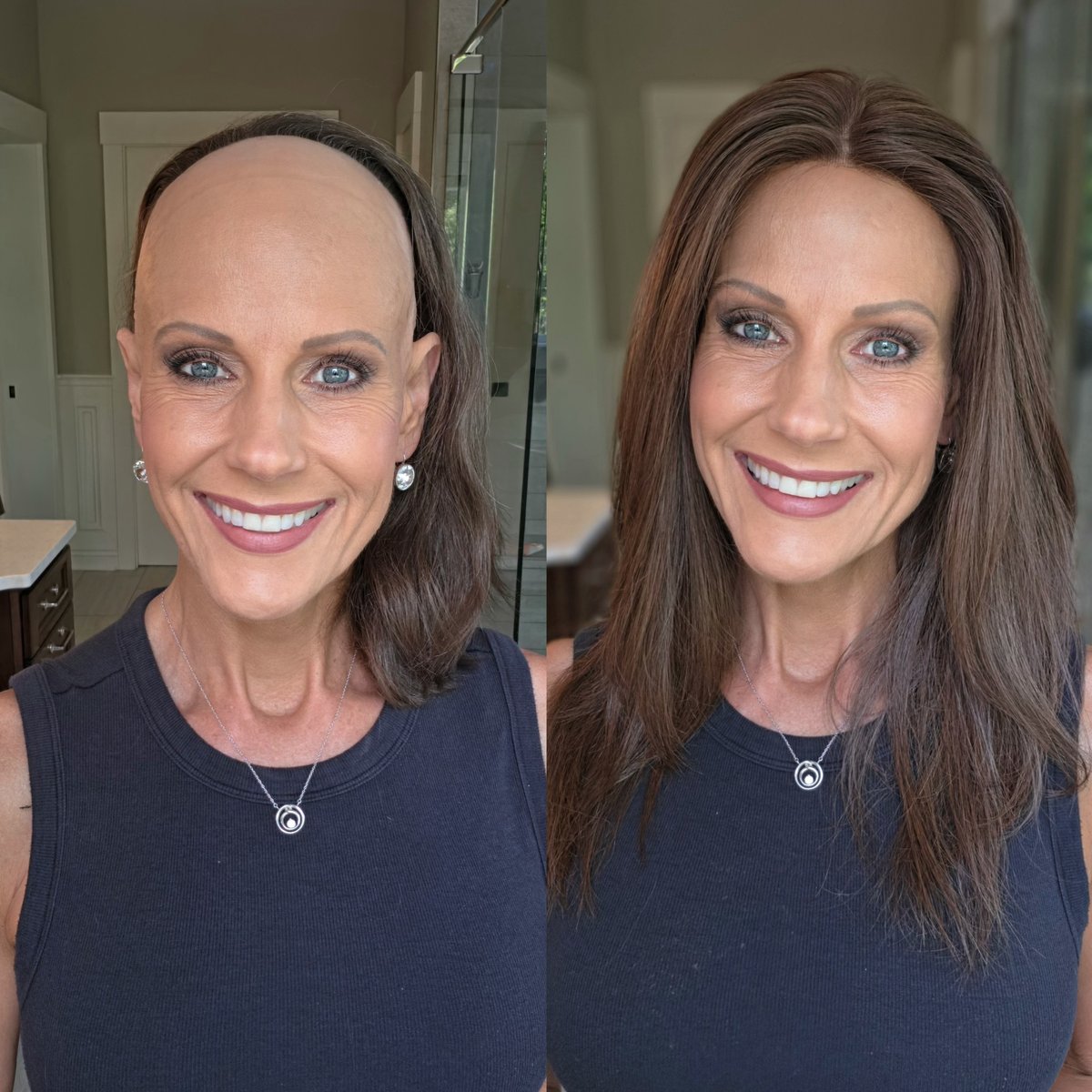
A topper is designed to work with your existing hair. If you have less hair available to blend with it, or the thinning has spread to a larger area, a wig may make more sense.
A wig gives you much more coverage and doesn’t rely as much on your own hair to create the finished look. Wigs and hairpieces can also be used to cover visible hair loss.
And switching from a topper to a wig doesn’t mean you have “failed” with your topper. Your hair simply changed, so your needs changed with it.
Q&A: Choosing the Right Hair Piece
Q5: “Is a human hair topper better?”
It depends on what you want from your hair piece.
A human hair topper usually gives you more freedom when it comes to styling. You can wear it straight, add waves, change the part, or style it to match your own hair.
The same goes for a human hair wig. If you like changing your hairstyle or want a more natural-looking option, human hair may be something to consider. Just keep in mind that it needs proper care, especially when you use heat or style it often.
Q6: “Can a topper damage my existing hair?”
It can be a problem if there is too much pulling or tension on your hair.
This is especially important if your natural hair is already weak or thinning. Hairstyles that repeatedly pull on the hair can contribute to traction alopecia. If your topper feels too tight, hurts, or keeps pulling on the same area, don’t just put up with it. Check the fit and how you are attaching it.
A comfortable fit matters just as much as how the topper looks.
Q&A: What If My Alopecia Keeps Changing?
This is probably one of the hardest parts of dealing with hair loss: you may not know what your hair will look like later.
You might only need a small topper now. Later, you may want more coverage. Or you may find that a wig is easier for your daily routine.
That’s okay. Your hair piece doesn’t have to be a permanent decision. You can use a topper when it works for you and move to a wig if your needs change. You can even keep both and choose between them depending on the day.
One Last Thing
There is no single “right” way to deal with alopecia. Some people want to show their natural hair, while others feel much more comfortable wearing a topper or wig.
If you’re newly diagnosed, give yourself some time. Learn about your hair loss, follow your doctor’s advice, and then look at the hair options that fit your current situation.
Your first hair piece doesn’t have to be your forever hair piece.
Leave a reply